
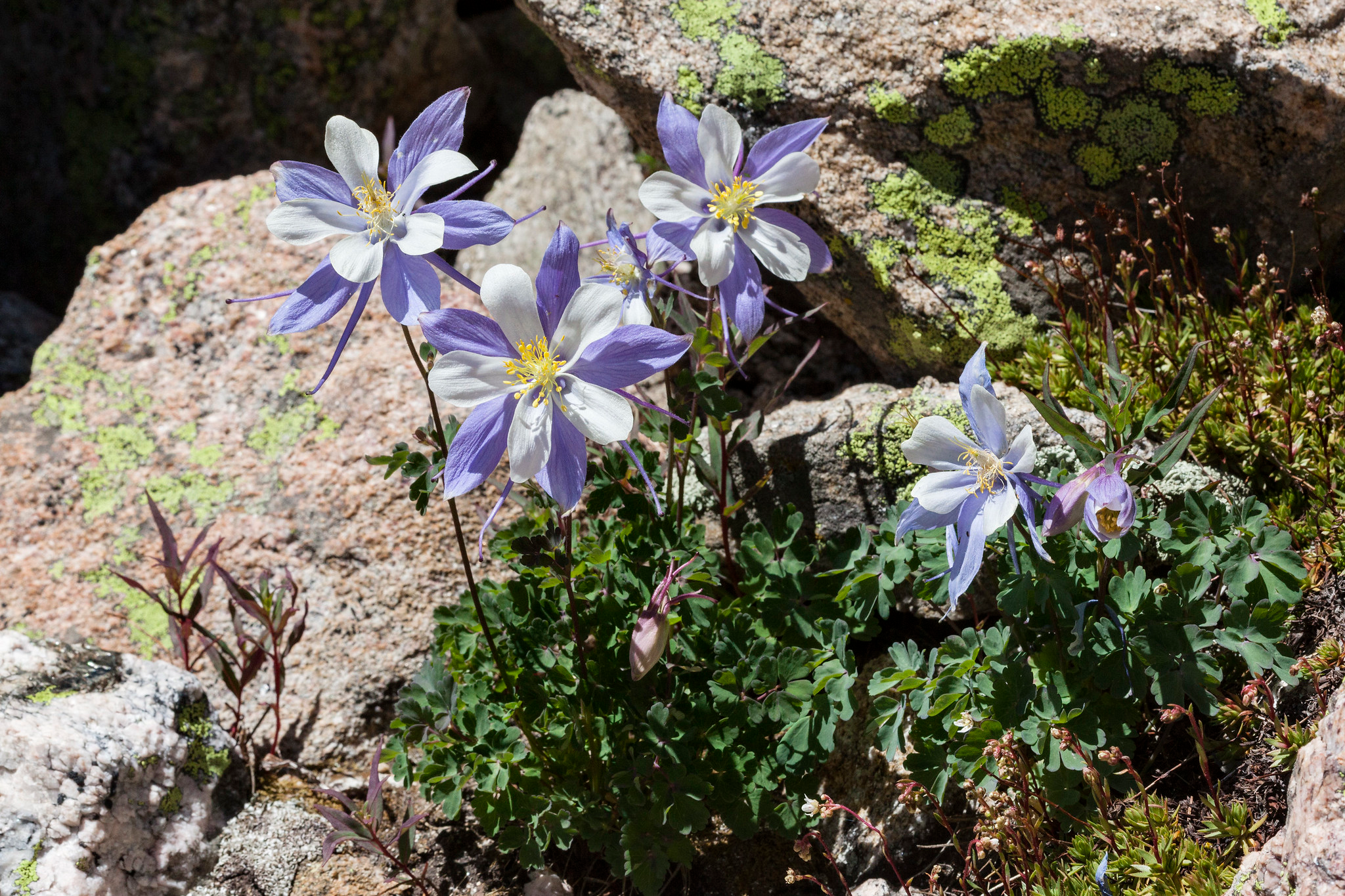
Plant choice.
Native and resilient plants are the backbone of sustainable gardening. They work with your climate instead of against it—and once established, they reward you with healthier soil, fewer pests, and a garden that actually enjoys where it lives.
This article introduces the basics of native and resilient plants. In future posts, we’ll explore specific plant lists, design strategies, and seasonal care in more detail.
What Are Native Plants?
Native plants are species that evolved naturally in a specific region over thousands of years. They’re adapted to local:
- Climate
- Soil conditions
- Rainfall patterns
- Wildlife and pollinators
Because of this, native plants typically require less water, fertilizer, and intervention than non-native varieties once established.
They also play a critical role in supporting local ecosystems—especially birds, bees, and beneficial insects.
What Does “Resilient” Mean in Gardening?
Resilient plants aren’t just tough—they’re adaptable.
A resilient plant can:
- Handle temperature swings
- Survive periods of drought or heavy rain
- Recover from stress (wind, pruning, pests)
- Thrive with minimal inputs
Some plants are native and resilient. Others may not be native but still perform exceptionally well in challenging conditions.
The goal isn’t strict rules—it’s choosing plants that make sense for your environment.
Why Native & Resilient Plants Matter More Than Ever
As weather patterns become less predictable, traditional high-maintenance gardens struggle.
Native and resilient plants help by:
- Reducing water use
- Lowering maintenance time
- Improving soil health
- Supporting pollinators and wildlife
- Increasing long-term garden success
Instead of constantly fixing problems, you’re designing a garden that naturally stabilizes itself.
Native vs. Non-Native: It’s Not All or Nothing
A common misconception is that gardening with native plants means giving up beauty or variety.
In reality:
- Native plants can be just as ornamental as traditional garden plants
- You can mix native plants with well-adapted non-natives
- A partially native garden is still a huge win
The key is avoiding plants that demand excessive water, fertilizers, or pest control just to survive.
How Native Plants Support Pollinators
Many pollinators rely on specific plants for food and reproduction. When those plants disappear, pollinators do too.
Native plants provide:
- Nectar and pollen timed to local seasons
- Host plants for butterfly larvae
- Shelter and overwintering habitat
Even a small patch of native plants can make a measurable difference.
What to Look for When Choosing Native or Resilient Plants
When selecting plants, ask these questions:
- Is this plant adapted to my climate zone?
- How much water does it need once established?
- Does it tolerate local soil conditions?
- Will it survive heat, cold, or wind exposure?
Plants that check most of these boxes will almost always outperform high-maintenance alternatives.
Start Simple: You Don’t Need to Replace Everything
Transitioning to native and resilient plants doesn’t have to be overwhelming.
Start by:
- Replacing struggling plants with better-adapted ones
- Adding native perennials to existing beds
- Choosing resilient plants for new areas first
Over time, your garden naturally becomes easier to care for—and more alive.
Native & Resilient Plants Are a Long-Term Investment
These plants often focus energy on root development in the first year. Growth may seem slow at first—but patience pays off.
By year two or three, many native plants:
- Need little supplemental water
- Outcompete weeds naturally
- Require minimal pruning or care
It’s a different rhythm than instant-gratification gardening—but a far more sustainable one.
What’s Coming Next in This Series
This article sets the foundation. Upcoming posts will dive deeper into:
- How to identify native plants in your region
- Beginner-friendly native plant lists
- Designing with native plants (not just planting them)
- Seasonal care and maintenance
- Common myths about native gardening
If you’re building a garden for the long haul, native and resilient plants are one of the smartest places to start.
If you’d like weekly guidance rooted in water-wise, climate-appropriate gardening, you can subscribe to our free newsletter below.