
Much of the gardening guidance online assumes mild summers, reliable rainfall, rich soil, and gentle seasons.
Utah offers none of those.
Utah gardening is defined by high elevation, dry air, alkaline soil, intense sun, and dramatic temperature swings. It’s a place where plants don’t survive because we pamper them — they survive because they are well matched to the environment.
Once you understand this, gardening in Utah becomes less frustrating and far more rewarding.
Utah’s Climate Is the Garden Designer
Across the state — from the Wasatch Front to the high deserts of southern Utah — gardeners share a few defining conditions:
- Long, dry summers with very low humidity
- Cold winters with freeze–thaw cycles
- Alkaline, clay-heavy or sandy soils
- Intense sun at high elevation
- Limited, inconsistent rainfall
These conditions are challenging for traditional garden plants but ideal for native and climate-adapted species.
Instead of fighting the climate, successful Utah gardens are built around it.
Soil: The Hidden Challenge
Many new gardeners focus on plants first. In Utah, soil comes first.
Utah soils are often:
- Alkaline (high pH)
- Low in organic matter
- Compacted clay or fast-draining sand
This affects how plants absorb nutrients and water. Rather than trying to completely replace the soil, experienced gardeners work to improve it gradually with compost, mulch, and reduced disturbance.
Healthy soil biology becomes more important than fertilizer.
Water Is a Design Decision
In Utah, water is not something you add later. It is something you design for from the beginning.
Successful gardens:
- Group plants by water needs
- Use drip irrigation instead of sprinklers
- Rely on mulch to reduce evaporation
- Include areas that require little to no irrigation once established
Water-wise design isn’t just environmentally responsible here — it’s practical.
Plant Selection Matters More Than Technique
Many common nursery plants struggle in Utah no matter how carefully they are tended.
Plants that thrive here often have these traits:
- Deep root systems
- Silver, gray, or small leaves
- Drought tolerance
- Cold hardiness
- Native or desert-origin heritage
This is why native plants and climate-adapted perennials form the backbone of resilient Utah gardens.
Seasonal Transitions Are Intense
Utah doesn’t ease gently from season to season.
Spring can swing from warm to freezing overnight. Summers arrive quickly and intensely. Fall is brief. Winter is dry and cold.
Gardens must be able to handle rapid change, which is why perennial structure, shrubs, and hardy plants outperform delicate annual-heavy designs.
What Utah Gardening Teaches
Gardening here teaches patience and observation.
It teaches that:
- Simpler plant palettes perform better
- Gradual improvement beats instant results
- Native and adapted plants outperform trendy ones
- Working with the climate is easier than fighting it
Utah gardening rewards restraint, thoughtful design, and long-term thinking.
A Different Kind of Beauty
Utah gardens don’t look like lush, water-rich landscapes seen in magazines. They have a different beauty:
- Textured grasses
- Silvery foliage
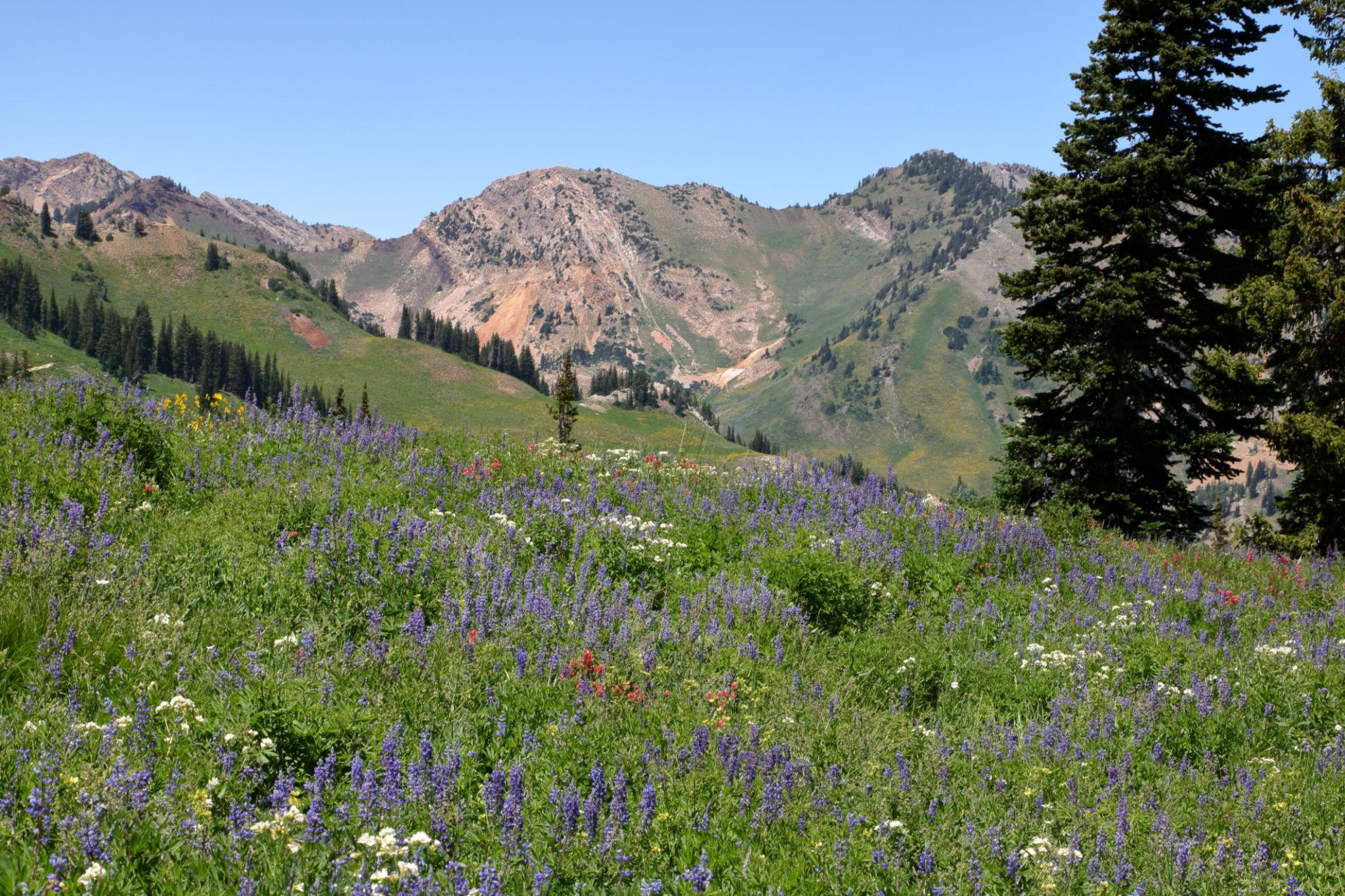
- Seasonal wildflower blooms
- Stone, mulch, and structure
- Space and light
They reflect the land itself.
And when designed well, they require less water, less maintenance, and far fewer replacements.
The Key to Success
The key to gardening in Utah is this:
Choose plants that want to be here. Design for how water moves. Improve soil slowly. Let the climate guide your decisions.
When you do, the garden begins to feel natural instead of forced.
And that’s when Utah gardening becomes deeply satisfying.
If you’d like weekly guidance rooted in water-wise, climate-appropriate gardening, you can subscribe to our free newsletter below.