
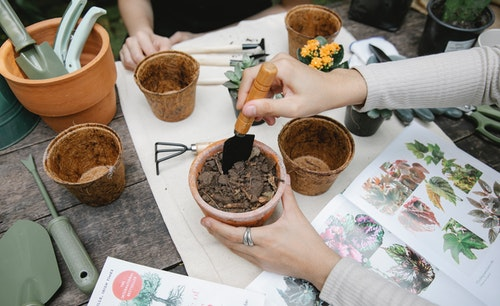
The good news: gardening doesn’t have to be complicated. Once you understand a few foundational principles, everything else builds from there.
This guide covers the essential garden basics every gardener should know. Think of it as your grounding point—we’ll dive deeper into each of these topics in future Garden Basics articles.
1. Start With the Site: Sun, Space, and Soil
Before choosing plants, take a moment to observe your space.
Sunlight
Most plants fall into one of three categories:
- Full sun: 6–8+ hours of direct sunlight
- Partial sun/shade: 3–6 hours
- Shade: Less than 3 hours
Watch how the sun moves across your yard throughout the day. Morning sun is often gentler and ideal for many plants, especially in hot or dry climates.
Space
Consider:
- How much room plants will need at maturity
- Whether they’ll be in the ground, raised beds, or containers
- Access to water and walkways
Crowded plants compete for light, nutrients, and airflow—spacing matters more than most beginners realize.
Soil
Healthy gardens start with healthy soil. Good soil should:
- Drain well but retain some moisture
- Be rich in organic matter
- Feel crumbly, not compacted
You don’t need perfect soil to begin—most soils can be improved over time.
2. Understand Your Soil (Without Overthinking It)
Soil is more than dirt—it’s a living system.
At a basic level, soil is made up of:
- Sand (drainage)
- Silt (nutrient holding)
- Clay (water retention)
Many garden challenges—poor growth, yellow leaves, pest issues—can be traced back to soil health.
Beginner tip:
Start by adding compost. It’s one of the simplest and most effective ways to improve almost any soil type.
3. Choose the Right Plants for Your Climate
One of the most common beginner mistakes is choosing plants based on looks alone.
Instead, consider:
- Your local climate and seasonal extremes
- Average rainfall and drought conditions
- Cold tolerance and heat tolerance
Plants adapted to your region require less water, less maintenance, and are more resilient overall.
Native and climate-adapted plants are often the easiest place to start—and they support local ecosystems too.
4. Water Wisely (More Is Not Always Better)
Watering seems simple, but it’s where many gardens struggle.
Key watering principles:
- Water deeply, not frequently
- Focus on the soil, not the leaves
- Morning is usually the best time to water
Overwatering can be just as harmful as underwatering, leading to shallow roots and disease.
As a general rule:
If the top inch of soil is dry, it’s time to water.
5. Start Small and Build Gradually
You don’t need a large garden to be successful.
Starting small allows you to:
- Learn what works in your space
- Observe plant behavior through the seasons
- Avoid burnout or overwhelm
A single raised bed, a few containers, or one garden zone is more than enough to begin.
Gardening is a long game—every season teaches you something new.
6. Gardening Is a Practice, Not a Perfection Project
Plants die. Weather surprises you. Pests show up uninvited.
That’s normal.
Gardening is about observation, adjustment, and patience. The goal isn’t perfection—it’s learning how to work with nature instead of against it.
Every mistake is data. Every season builds confidence.
What’s Next in the Garden Basics Series
This article lays the groundwork. In upcoming Garden Basics posts, we’ll explore:
- Understanding your soil type (in depth)
- How to plan a garden layout
- Beginner-friendly plants for dry climates
- Seasonal garden care
- Common mistakes (and how to avoid them)
Bookmark this page—it’ll serve as a reference point as your garden grows.
If you’d like weekly guidance rooted in water-wise, climate-appropriate gardening, you can subscribe to our free newsletter below.