
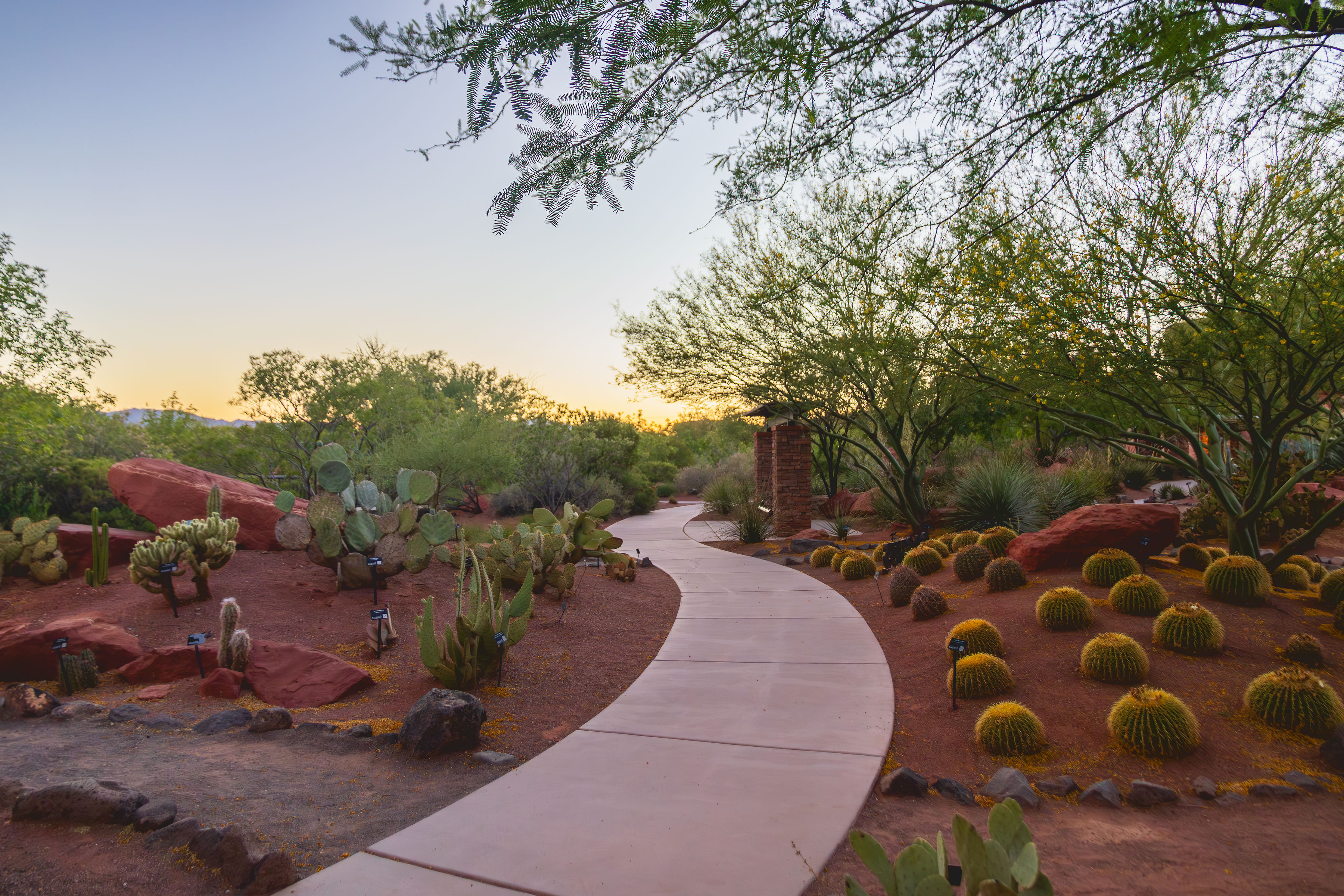
By the time drought conditions are visible in summer, most of the decisions that shape water use are already locked in. Plant choices, layout, irrigation systems, and soil preparation all happen long before the first heat wave arrives.
The good news? A drought-resilient garden doesn’t require drastic measures or giving up beauty. It starts with thoughtful planning — and winter is the best time to do it.
Start With Reality, Not Hope
One of the most common mistakes gardeners make is planning for the best-case version of spring.
Instead of asking, “What do I want my garden to look like?”
Start with, “What conditions will my garden realistically face?”
Consider:
- Average annual rainfall (not last year’s)
- Increasing summer heat and longer dry spells
- Water restrictions or rising utility costs
- Soil that dries quickly or drains poorly
Designing for reality — rather than optimism — is the foundation of sustainable gardening.
Audit What You Already Have
Before buying new plants or sketching layouts, take stock of your existing garden.
Ask yourself:
- Which areas dry out first?
- Where does water naturally collect or linger?
- Which plants struggle every summer?
- Which plants thrive with minimal care?
This audit helps you identify:
- Zones that need drought-tolerant plants
- Areas that may need soil improvement
- Plants worth keeping — and those worth replacing
Winter is the perfect time to observe patterns without the pressure to act immediately.
Group Plants by Water Needs
One of the simplest ways to reduce water use is hydrozoning — grouping plants with similar water requirements together.
Instead of scattering thirsty plants throughout the garden:
- Place higher-water plants closer to the house or irrigation
- Reserve outer areas for drought-tolerant natives
- Avoid mixing low- and high-water plants in the same bed
This makes watering more efficient and prevents overwatering plants that don’t need it.
Choose Plants That Match Your Climate
Drought planning isn’t about choosing “tough” plants — it’s about choosing appropriate ones.
Look for:
- Native plants adapted to your region
- Plants with deep or fibrous root systems
- Species that thrive with winter moisture and dry summers
- Plants that mature at a size appropriate for their space
Avoid:
- Plants that require frequent shallow watering
- Species bred for lush growth in mild, wet climates
- Anything labeled “drought tolerant” but not regionally tested
When in doubt, observe what grows well in public landscapes and older neighborhoods nearby.
Improve Soil Before You Plant
Healthy soil holds moisture more effectively — reducing how often you need to water.
Before spring:
- Add compost to improve structure and water retention
- Avoid over-tilling, which dries soil out faster
- Plan for mulch early, not as an afterthought
A well-prepared soil base can make the difference between constant watering and a garden that sustains itself through dry periods.
Rethink Irrigation Early
If you plan to install or adjust irrigation, winter is the time to design it — not after plants are in the ground.
Consider:
- Drip irrigation instead of overhead sprinklers
- Separate zones for different water needs
- Timers adjusted for seasonal changes
- Manual watering for smaller or mixed beds
Efficient irrigation isn’t about watering less — it’s about watering intentionally.
Plan for the Long Term
A drought-resilient garden improves over time.
Perennials establish deeper roots. Soil structure improves. Microclimates develop. Water needs decrease.
When you plan before spring, you’re not just preparing for one season — you’re building a system that gets stronger each year.
Start Small, Start Thoughtfully
You don’t need to redesign everything at once.
Choose:
- One bed to convert
- One irrigation zone to improve
- One plant category to rethink
Progress matters more than perfection.
Ready to Go Deeper?
If you want ongoing, practical guidance for water-wise gardening in dry climates, The Sustainable Garden newsletter delivers one clear idea each week — no overwhelm, no chemicals, no guesswork.